2026
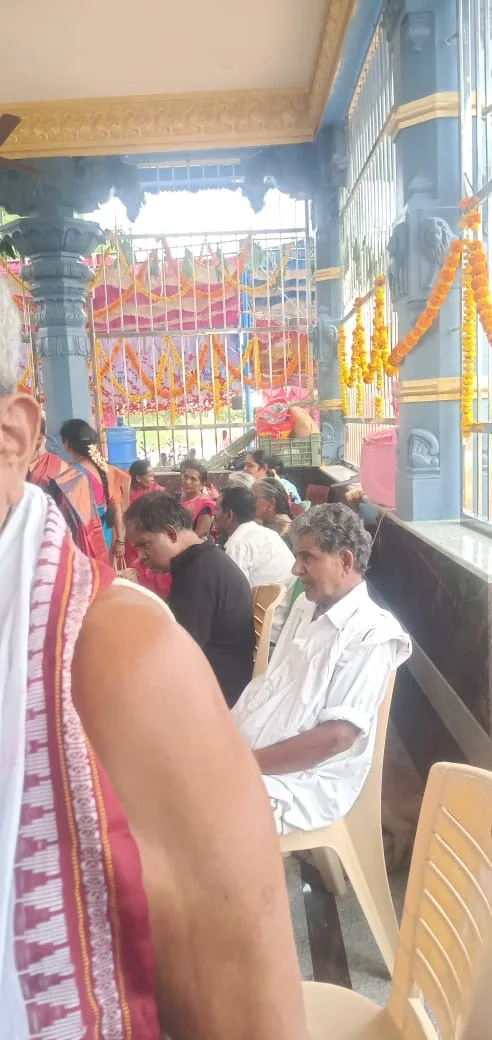
Devapatlamma Jathara
Devapatlamma’s festival — lamps, community, and ancestral blessing.
View more
Reddivaripalli — founded around 1850 as Kondareddigaripalli by Sri G. Konda Reddy. History, origin, map, agriculture and the places that make this home.
Kondareddigaripalli · Reddivaripalli
Reddivaripalli — also known as Kondareddigaripalli — is a village rooted in unity, hospitality, agriculture, and faith. For more than 170 years it has stood as a place where families gather, traditions endure, and every guest is welcomed as one of our own.
Reddivaripalli, Devapatla (P), PIN 516215, Sambepalli Mandal, Annamayya District, Andhra Pradesh
Identity
Reddivaripalli — also known as Kondareddigaripalli — is a village rooted in unity, hospitality, agriculture, and faith. For more than 170 years it has stood as a place where families gather, traditions endure, and every guest is welcomed as one of our own.
Its historical significance reaches far beyond its fields: more than 32 surrounding villages once looked here for leadership, guidance, and peaceful resolution of community matters. That reputation for fairness and generosity remains central to our identity.
Culturally, Reddivaripalli is defined by shared festivals, temple traditions, agricultural seasons, and a deep respect for elders. Community values of equality, service, and togetherness continue to shape daily life and celebrations.
Village record
Founded around 1850 by Sri G. Konda Reddy of the Gundluru family — the beginning of Kondareddigaripalli, later known as Reddivaripalli.
This chronology is the written village record. Family memories and oral stories are kept separately in Village Stories.
Sri G. Konda Reddy establishes Kondareddigaripalli with ideals of unity, dignity, and hospitality.
The village becomes a centre for guidance and dispute resolution for more than 30 neighbouring villages.
Kondareddigaripalli comes to be proudly known as Reddivaripalli.
More than 170 years on, the founder’s values continue through festivals, agriculture, temples, and community service.
Reddivaripalli, originally known as Kondareddigaripalli, traces its origins to the mid-19th century (around 1850). The village was founded by the visionary Sri G. Konda Reddy of the Gundluru family, whose leadership, wisdom, and dedication laid the foundation for a united and prosperous community. As time passed, Kondareddigaripalli gradually came to be known as Reddivaripalli, the name by which it is proudly recognized today.
For generations, Reddivaripalli served as one of the most respected villages in the region. More than 32 surrounding villages looked to Reddivaripalli for leadership, guidance, and the resolution of community matters. It became a central place where people gathered to seek advice, settle disputes, and strengthen relationships between neighboring villages.
Sri G. Konda Reddy was admired not only as the founder of the village but also as a wise and compassionate leader. He believed that every individual should be treated with dignity and respect, regardless of caste, religion, or social background. His home was always open to visitors, and it became a tradition that no guest would ever leave the village without being offered food, hospitality, and assistance.
Under his leadership, Reddivaripalli became known for its unity, generosity, and strong sense of community. He encouraged agriculture, promoted education, preserved cultural traditions, and introduced village-wide celebrations that brought everyone together as one family.
One of his most remarkable contributions was Vana Pandaga, during which the entire village gathered together for two days to pray for timely rains, prepare traditional food, celebrate as one community, and seek blessings for a prosperous agricultural season.
After Sri G. Konda Reddy, Sri G. Venkata Subba Reddy continued this remarkable legacy. As the respected village head and Panchayat leader, he earned the trust and admiration of people not only from Reddivaripalli but also from the surrounding villages. Political leaders, government officials, and respected elders regularly visited Reddivaripalli to seek his guidance and participate in Panchayat discussions. His wisdom, fairness, and impartial judgments helped resolve disputes peacefully.
Today, more than 170 years later, Reddivaripalli continues to preserve the values established by its founders — unity, justice, hospitality, agriculture, culture, devotion, education, and service to society.
Our story
Walk through the years that shaped Kondreddigaripalli — one memory at a time.
2026
Devapatlamma’s festival — lamps, community, and ancestral blessing.
View more2025
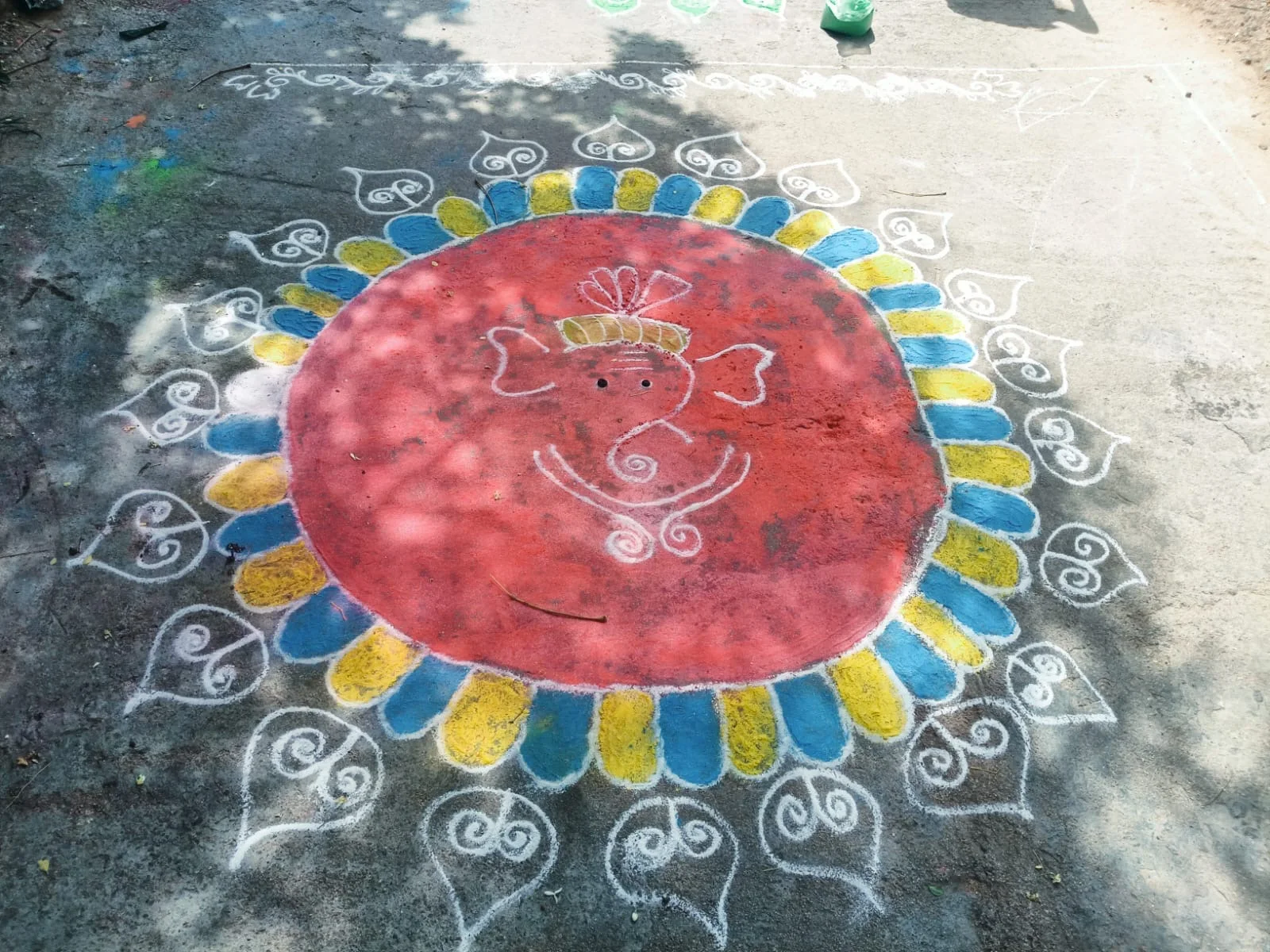
Clay, lamp light, and prayers that mark a beloved beginning each year.
View more2024
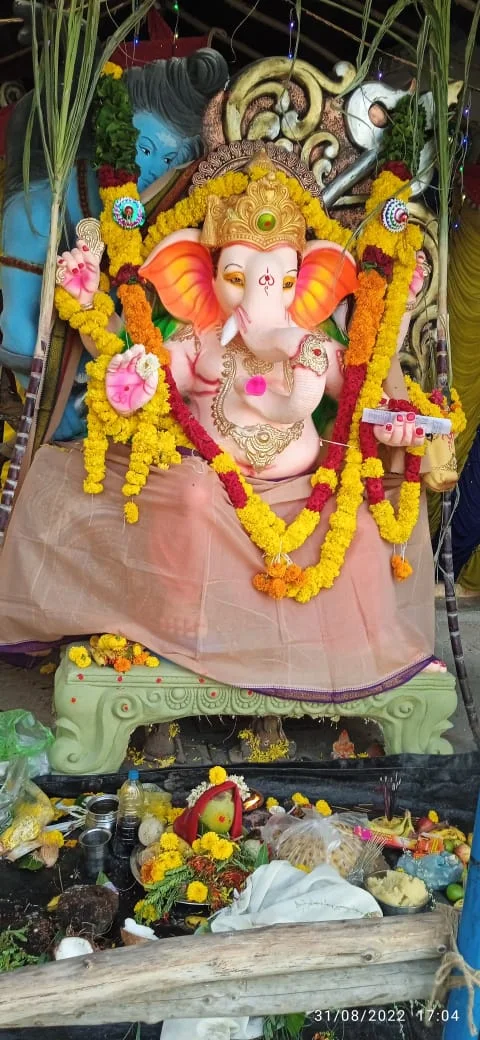
Clay, lamp light, and prayers that mark a beloved beginning each year.
View more2023
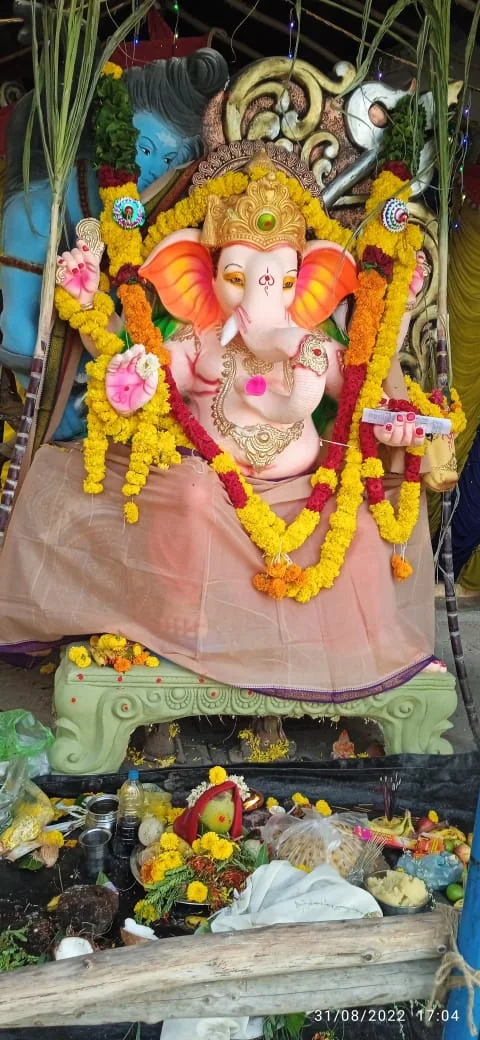
Clay, lamp light, and prayers that mark a beloved beginning each year.
View more2022
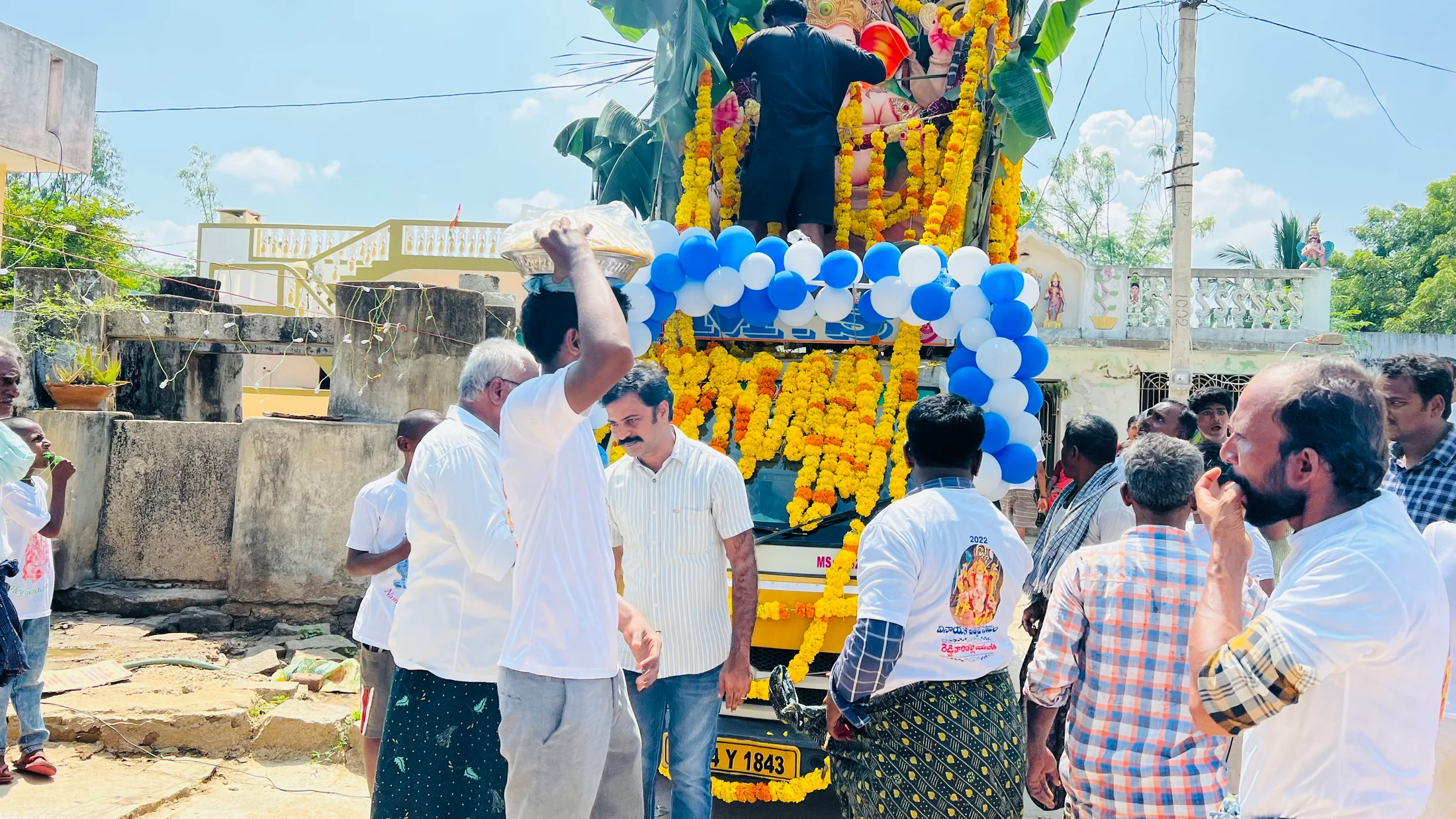
Clay, lamp light, and prayers that mark a beloved beginning each year.
View more2021

Private memories on the move — roads, laughter, and unexpected stops.
View more2020
Private memories on the move — roads, laughter, and unexpected stops.
View more2019
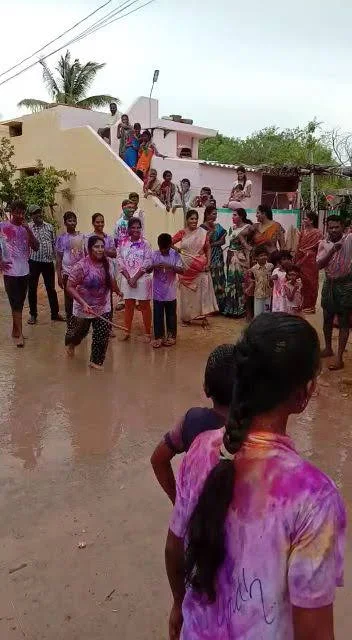
Clay, lamp light, and prayers that mark a beloved beginning each year.
View more2018
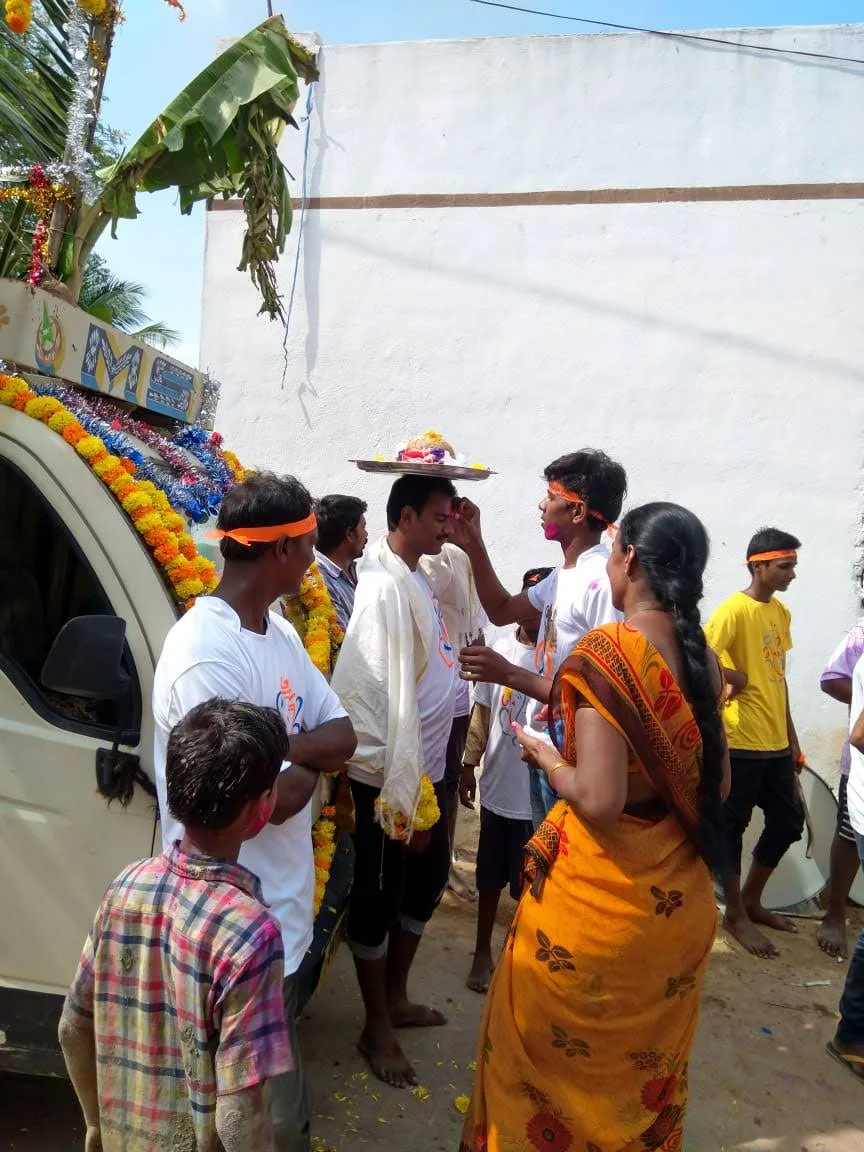
Clay, lamp light, and prayers that mark a beloved beginning each year.
View more2015
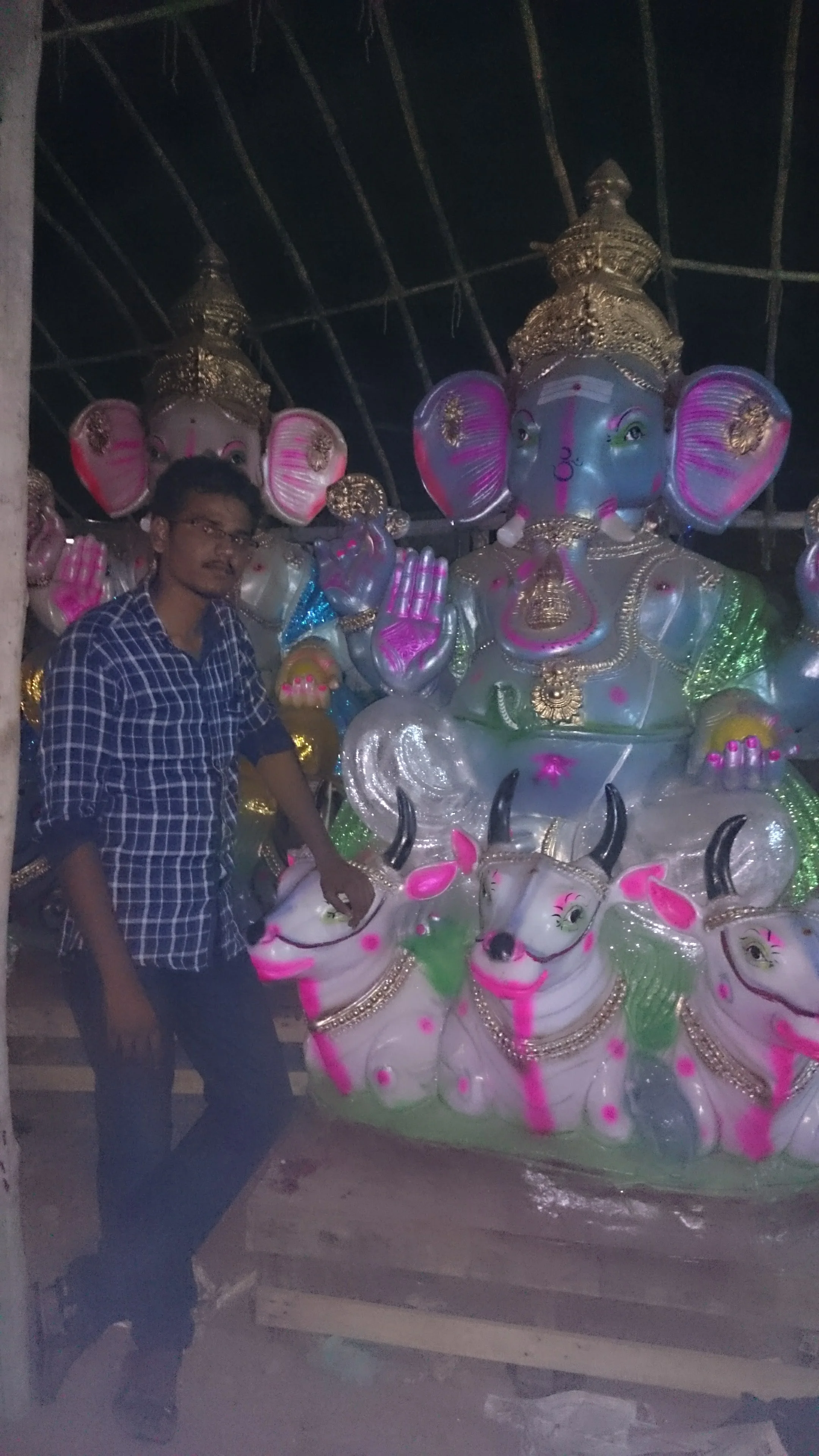
Clay, lamp light, and prayers that mark a beloved beginning each year.
View more2014
Private memories on the move — roads, laughter, and unexpected stops.
View more2013
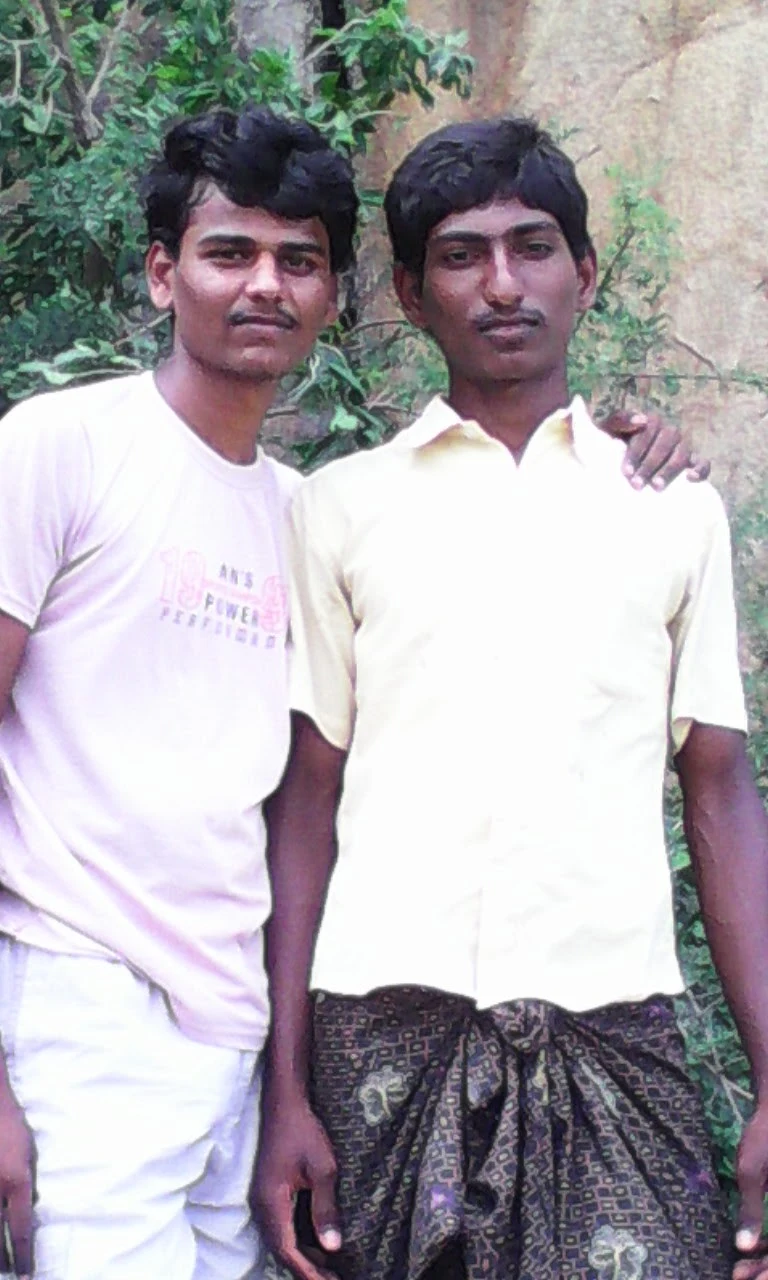
Private memories on the move — roads, laughter, and unexpected stops.
View moreFind us
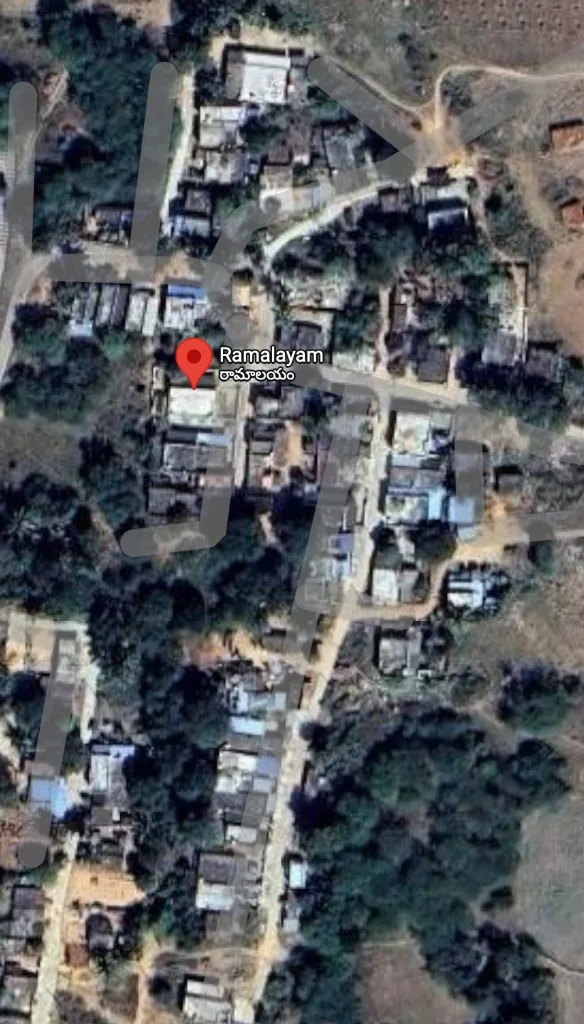
Reddivaripalli stands in Sambepalle Mandal, with Devapatla as its post village, in Annamayya / YSR Kadapa District of Andhra Pradesh.
The post village (P) for Reddivaripalli, and home of Sri Devapatlamma — closely tied to the village through faith and family.
Mandal headquarters for administration, schools and local government offices.
The district that holds Reddivaripalli — PIN 516215, Andhra Pradesh.
The village temple at the heart of Reddivaripalli, where families gather for Sri Rama Navami and daily prayers.
The land
Agriculture has always been the backbone of Reddivaripalli and the primary source of livelihood for many families. Blessed with fertile soil, favorable climate, and the dedication of hardworking farmers, the village has prospered through agriculture for generations.
Agriculture is more than an occupation in Reddivaripalli — it is a way of life. Every harvest reflects the dedication, resilience, and hard work of our farmers. Their efforts not only provide food and livelihood but also preserve the agricultural traditions and values that have been passed down from generation to generation.
In and around the village
Reddivaripalli is blessed with several important landmarks that represent its history, development, and community spirit.
At the entrance of Reddivaripalli stands the historic Ragi Manu, one of the village's most recognizable landmarks. For generations, it has welcomed visitors and served as a gathering place where villagers meet, discuss community matters, and celebrate together.
Located at the entrance of the village, the Kunta is an important natural resource. It has supported agriculture, livestock, and the daily lives of villagers for many years while adding to the beauty of the village.
Situated at the upper side of the village, ensuring a reliable supply of drinking water for the community.
Located near the village entrance, the school has been educating generations of children and plays a vital role in building the future of Reddivaripalli.
Adjacent to the Primary School, supporting the health, nutrition, and early childhood education of young children while also providing care and guidance for mothers.
Located near the Ragi Manu at the entrance of the village, serving as the administrative center where important village decisions are made and community welfare activities are coordinated.
Situated within the Panchayat Office premises, used for village meetings, social gatherings, awareness programs, celebrations, and community events.
A place where children and youth participate in sports, games, and recreational activities — especially during village festivals and annual events.